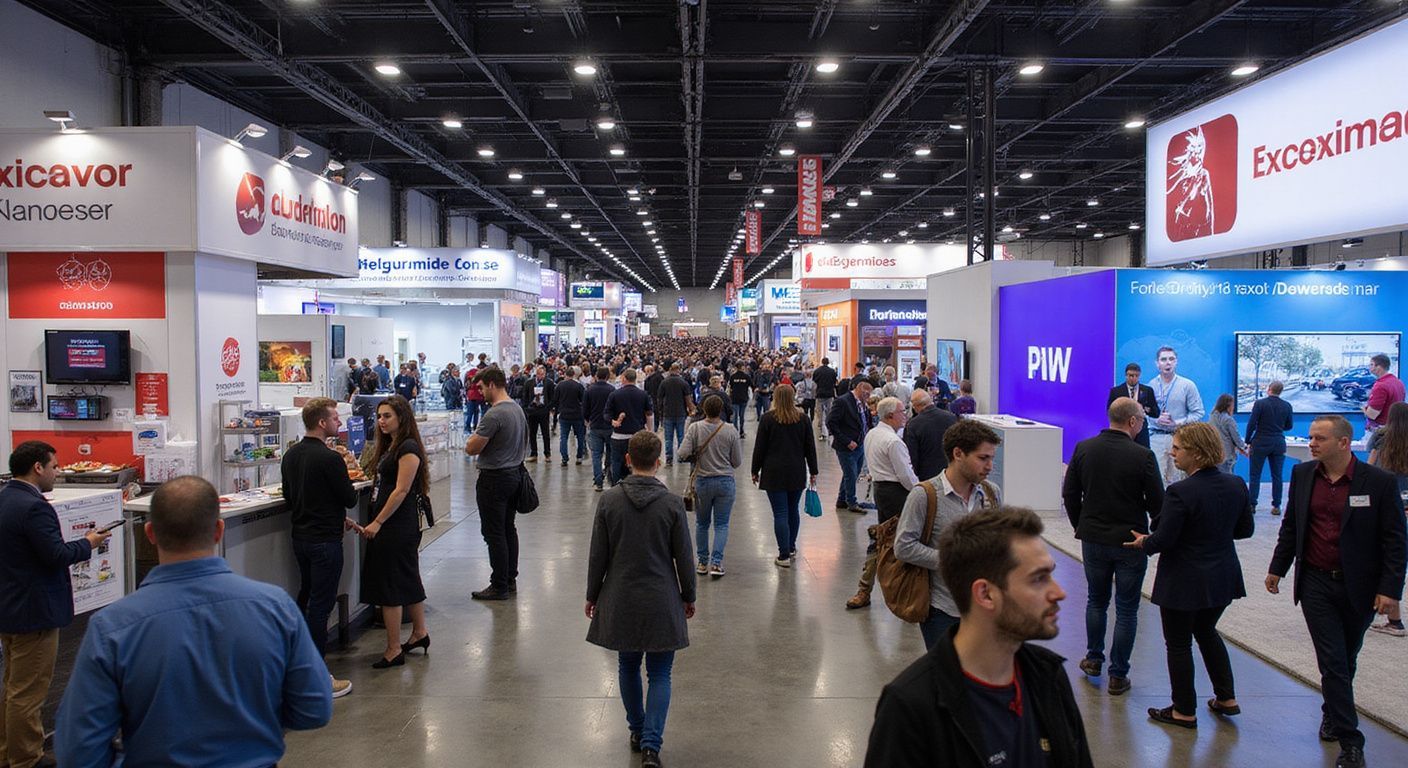
Why Most Companies Show Up to Trade Shows Unprepared (And Don't Even Know It)
You booked the booth. You ordered the banner. You signed up the team. You're ready, right?
Not even close.
Here's the thing nobody tells you when you're new to the trade show world: booking the booth is about 5% of the work. Maybe less. The other 95% is a sprawling tangle of logistics, deadlines, documents, assets, budgets, and moving pieces that don't care how busy you already are. And the brutal part? Most companies don't realize how unprepared they are until they're standing on the show floor — scrambling.
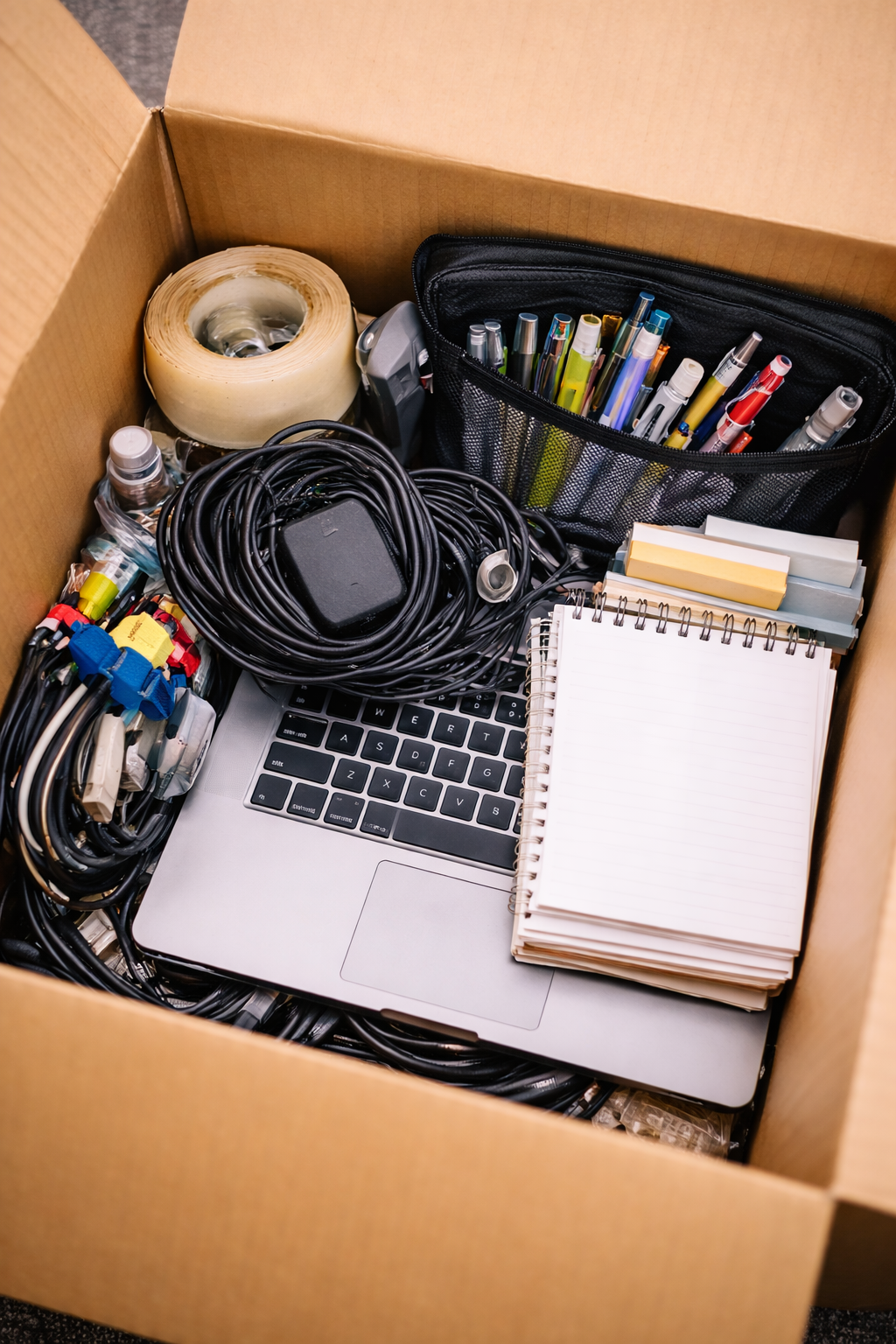
We've seen it happen over and over again. A team arrives at a conference, excited and ready to crush it, only to spend the first hour of the show trying to track down a missing shipment, reprint a brochure that had last year's contact info, or figure out who was supposed to bring the HDMI cable for the demo screen. None of these are catastrophic on their own, but together? They steal your presence, your energy, and your edge — right when you need all three the most.
The Illusion of Readiness
The sneaky thing about trade show chaos is that it often looks like preparedness from the outside. You've got a calendar invite for the show. You've got a flight booked. Maybe you even have a packing list in a Google Doc that three people have edit access to but nobody actually owns.
That's not preparation. That's the scaffolding of preparation. And when the scaffolding is mistaken for the building, things fall apart in real time — usually at the worst possible moment.
True readiness means knowing, with confidence, that every task has an owner, every deadline has a reminder, every asset is accounted for, and every document is findable in under 30 seconds. It means your team isn't juggling logistics in their heads while simultaneously trying to make a great impression on a prospect who wandered up to your booth.
The Real Cost of Showing Up Half-Ready
Unprepared exhibiting isn't just stressful. It's expensive. Think about the last-minute shipping fees when something gets left behind. The money spent on a giveaway nobody can find. The rep who's so distracted managing fires that they blow three conversations that could have turned into pipeline.
And then there's the invisible cost: the opportunities that never materialized because your team wasn't fully present. The prospect who walked up to your booth while your rep was on the phone with the shipping company. The conversation that started well but lost momentum because your demo crashed and nobody had a backup plan.
These aren't hypotheticals. They're Tuesday at a trade show.
The Good News
Here's what we know after working with hundreds of exhibiting teams: the companies that consistently crush it at trade shows aren't necessarily the ones with the biggest budgets or the flashiest booths. They're the ones that treat the logistics like a system, not a scramble.
They have checklists that actually get done. They know where their booth assets are at all times. Their documents are organized and accessible from any device, anywhere. Their budget doesn't blow up in the last week before the show. And when they walk onto the show floor, they walk on confident — because they handled everything else before they got there.
That's the edge. And it's more attainable than you think.
Recent Posts